GEO is the New SEO: How Brands Can Adapt to LLM-Driven Discovery
If you’ve been keeping an eye on the world of search, you’ve probably noticed a significant shift happening. SEO has long been the go-to strategy for driving traffic and ensuring your website ranks high. But today, something new is taking over the digital space: GEO. With the rise of Large Language Models (LLMs) like ChatGPT, we’re entering a new era of search, and brands must adapt quickly to stay visible.
So, what exactly is GEO, and how can brands thrive in an LLM-driven world?
How LLMs Are Changing the Way We Search
LLMs like ChatGPT, Perplexity, and Google’s Gemini aren’t just enhancing the search process; they’re completely transforming it. Unlike traditional search engines that provide a list of search results based on keywords, LLMs analyze and understand context to offer the most relevant answers.
For example, when someone searches “top-rated pizza places near me,” an LLM factors in your location, recent reviews, and even nearby events to provide a tailored response. This means that businesses can no longer focus solely on optimizing for keywords; they must now consider the context and location in their content strategy.
What GEO Means for Brands in an AI-Powered World
So, what exactly does GEO optimization look like? It’s all about ensuring your brand is visible in location-aware searches. Here are a few key strategies to help you succeed in this new search landscape:
- Structured Data: LLMs thrive on structured data, as it helps them understand context. Use schema markup and geo-tags to make it easier for AI tools to find and display your content in location-specific searches.
- Speaking the Way People Search: As search becomes more conversational, brands need to rethink how people ask questions. Rather than focusing solely on keywords like “best coffee,” target conversational searches such as “Where’s the best coffee in [your city]?”
- Create Localized Content: Make sure your content resonates with your local audience. Talk about local events, feature neighborhood stories, and highlight specific services in your community. This localized approach will increase your chances of appearing in location-driven searches powered by LLMs.
Why Can’t Brands Afford to Ignore GEO in the Age of LLMs?
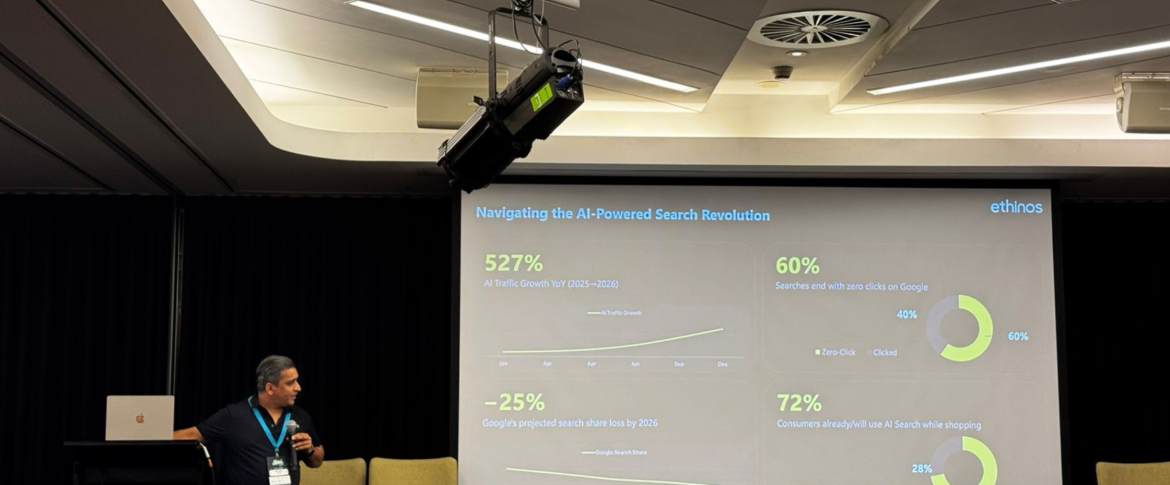
We’re already seeing the impact of LLM-driven search on organic traffic. In fact, AI-powered search results now occupy more than 60% of the screen space on Google, pushing traditional organic and paid links further down the page.
This means that even if you’re ranking #1 for a keyword, your content might not be visible when someone asks a question in a conversational, AI-driven search.
The rise of LLMs has also led to a decline in click-through rates (CTR) from traditional search results. Now, brands must prioritize visibility in AI overviews and location-based search experiences. It’s no longer enough to rank high; your content needs to be visible and accessible in these new, evolving search formats.
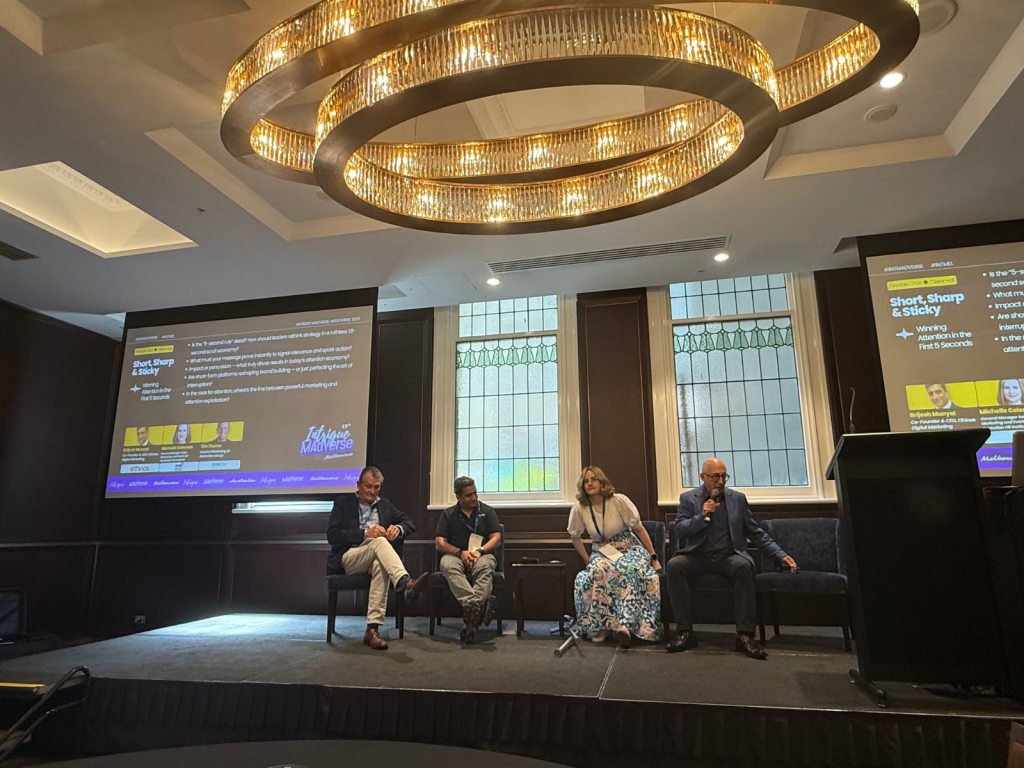
Hear from Our Expert—Brijesh Munyal: Co-Founder & CEO at Ethinos Digital Marketing
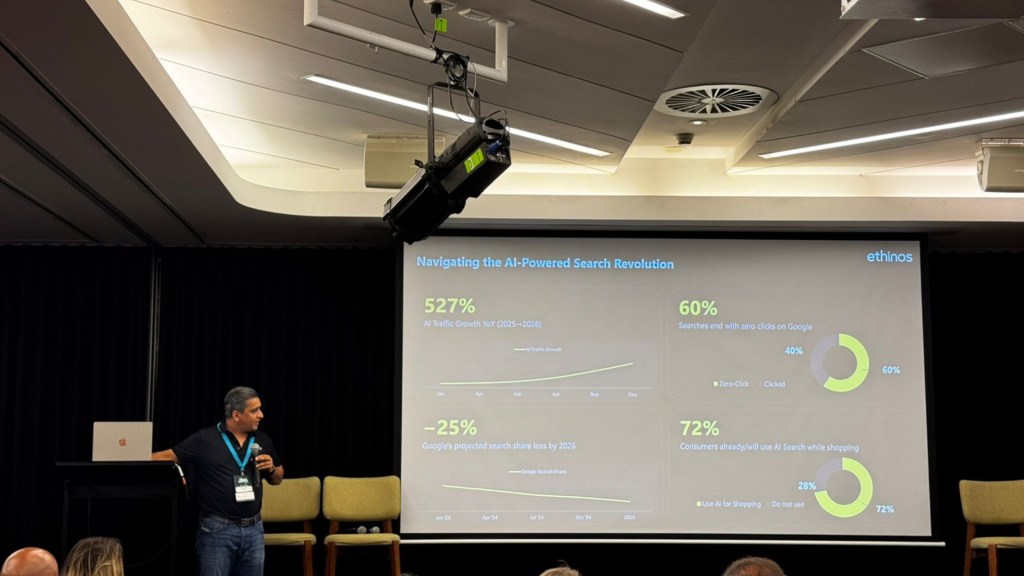
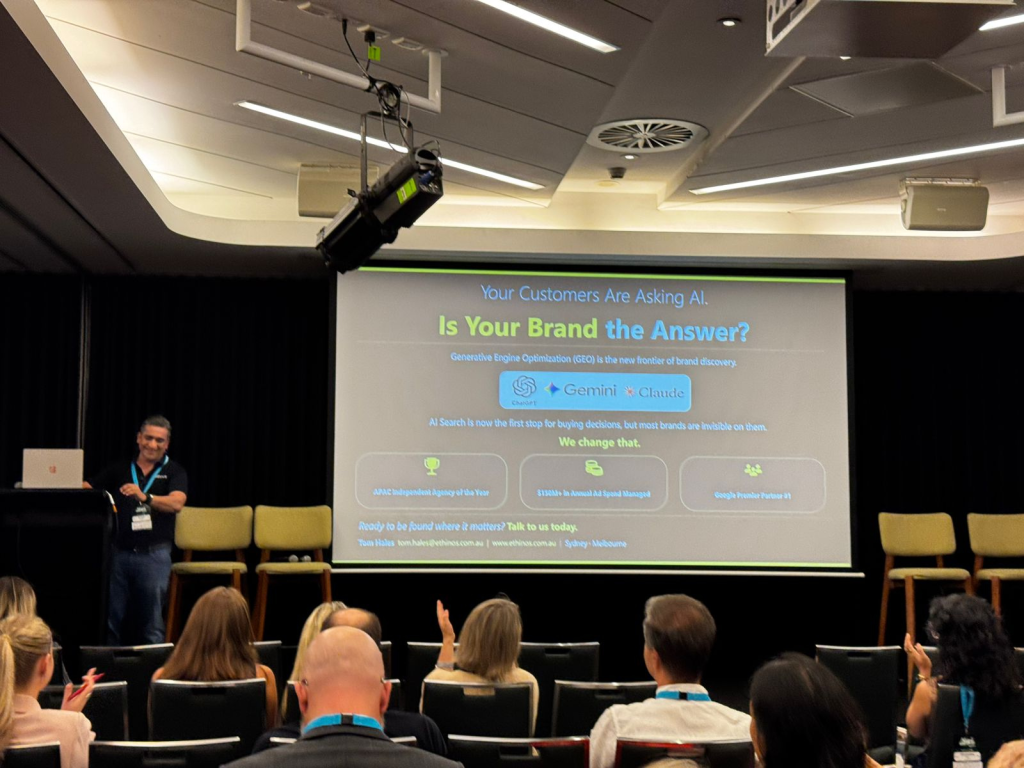
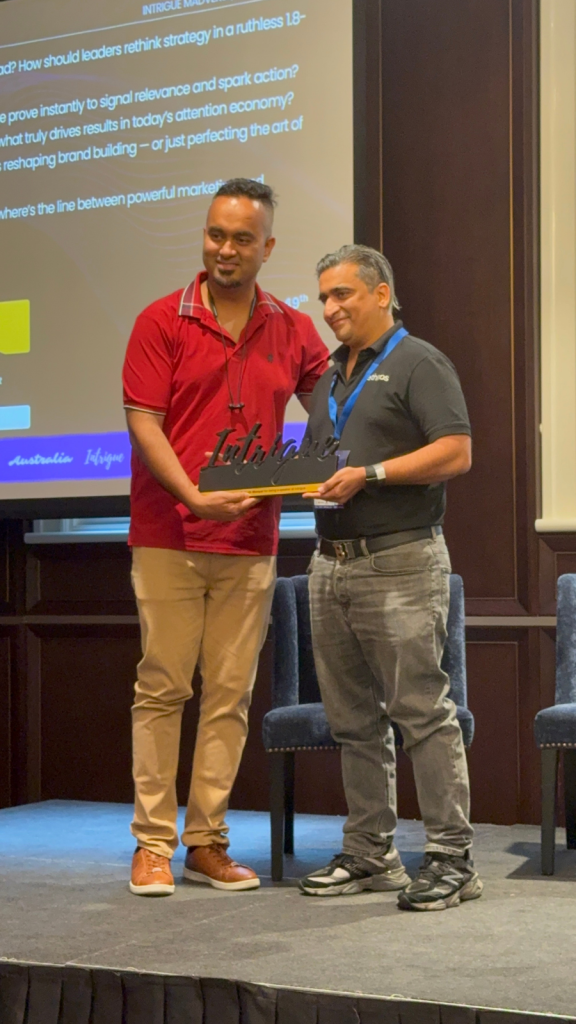
Brijesh Munyal, Co-Founder & CEO of Ethinos Digital Marketing, recently spoke at Intrigue MAdVerse 2026. As Gold Partners, Ethinos explored the evolving landscape of brand visibility in the AI-first world. Brijesh discussed whether GEO is the new SEO and how brands can adapt to LLM-driven discovery. The event took place in Melbourne on 26th February and in Sydney on 4th March, where Ethinos engaged with industry leaders to discuss the future of marketing.
Wrapping Up
SEO isn’t going anywhere, but it’s definitely evolving. As search shifts towards AI-driven, location-aware discovery, brands that embrace GEO optimization will be the ones that remain visible and relevant. It’s no longer just about ranking high for a keyword; it’s about ensuring your content is discoverable by AI tools that understand where and when people are searching.
So, if you’re a brand looking to thrive in the world of LLMs and AI search, it’s time to get GEO-optimized. The future of search is here; don’t get left behind.

what do you think?